
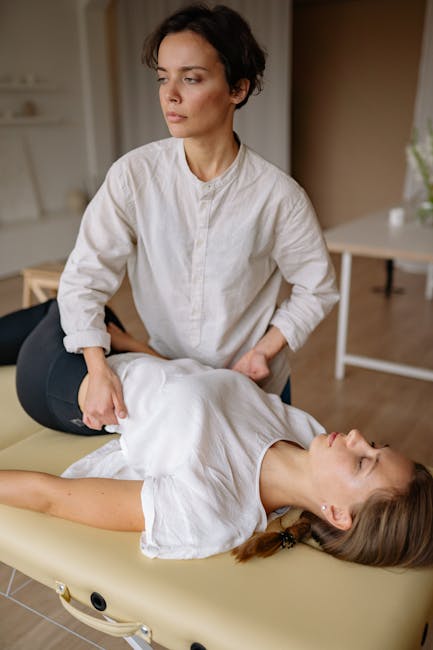
If you call Lindenhurst, New York home, you likely enjoy all that our Long Island community has to offer. From scenic walks in Venetian Shores Park to family outings at local events, staying active is part of daily life. However, this busy lifestyle can sometimes put you at risk for health issues like nerve compression—a condition that can sneak up subtly but lead to significant discomfort and disruption if ignored. Knowing how to spot the early warning signs of nerve compression can help you seek timely care, avoid long-term issues, and continue living the vibrant Lindenhurst lifestyle you love.
What Is Nerve Compression?
Nerve compression, sometimes called a pinched nerve, occurs when surrounding tissues such as bones, muscles, tendons, or cartilage place too much pressure on a nerve. This can restrict normal function and lead to uncomfortable symptoms. Nerve compression can happen anywhere in the body but is most common in the neck, back, hands, and wrists.
Why Lindenhurst Residents May Be Prone
Many local residents commute to New York City, often spending hours in cars or on the Long Island Rail Road. Prolonged sitting, poor posture, and repetitive movements are all risk factors for nerve compression. Even leisure activities popular in Lindenhurst—like boating, gardening, or playing sports in local parks—can lead to overuse injuries that make nerves more vulnerable.
Early Warning Signs of Nerve Compression
While the symptoms may vary depending on where the nerve is compressed, early signs often share some common characteristics. These warning signs should not be ignored:
- Tingling or “Pins and Needles”
That numb, tingling, or “falling asleep” feeling in your hands, feet, or limbs can often be the first sign of a nerve issue. You may notice this especially after holding a position for a while during a long commute or after working outside in your garden.
- Numbness in Specific Areas
Numbness typically occurs along the nerve pathway. If you experience loss of sensation in your fingers, toes, or an entire limb for more than a few minutes, this could be an early indicator of nerve compression.
- Muscle Weakness
Struggling to grip a coffee mug at your favorite Lindenhurst cafe or having trouble holding your phone could mean that a compressed nerve is affecting muscle function. Over time, untreated nerve compression can even lead to muscle atrophy.
- Burning or Sharp Pain
While discomfort from nerve compression can be dull, it may also present as a sharp, burning, or shooting pain—sometimes radiating down the arm or leg. This is commonly felt with sciatica, a well-known form of nerve compression that affects many who sit for extended periods.
- Increased Pain with Certain Activities
Notice pain that flares up when you’re carrying groceries, gardening, shoveling snow, or playing in local softball leagues? If symptoms worsen with specific activities, it may point to a positional nerve issue.
How Early Symptoms Affect Daily Life in Lindenhurst
If left unaddressed, nerve compression symptoms can disrupt your regular Lindenhurst routine. For many locals, that could mean difficulty walking along the pedestrian-friendly sidewalks downtown, missing out on bike rides through neighborhood parks, or struggling with everyday home improvement projects. The good news is, catching these signs early allows you to seek help before symptoms become chronic or disabling.
Who’s Most at Risk?
Certain groups in Lindenhurst may be more susceptible to nerve compression, such as:
- Office workers and commuters who spend extended periods sitting
- Gardening enthusiasts, DIYers, and weekend warriors engaging in repetitive motions
- Older adults experiencing age-related wear and tear on joints and spinal discs
- Athletes and fitness buffs involved in local sports or exercise groups
When to See a Healthcare Professional
If you recognize persistent tingling, numbness, pain, or weakness that doesn’t ease with rest or stretches, it’s important to consult a healthcare professional. This is particularly true if you notice symptoms are worse at night, affect your grip, balance, or mobility, or are accompanied by loss of bladder or bowel control (which requires immediate medical attention).
How Nerve Compression Is Diagnosed
A diagnosis generally begins with a physical exam, during which a provider will assess your strength, reflexes, and areas of numbness or pain. Diagnostic tests may include:
- X-rays, MRI, or CT scans to evaluate bones and soft tissues
- Electromyography (EMG) to assess nerve and muscle function
- Nerve conduction studies
Early, accurate diagnosis is key for a quicker and more complete recovery.
Prevention Tips Tailored for Lindenhurst
Staying proactive is your best defense, especially given the local lifestyle demands. Here are some practical strategies:
- Ergonomic Adjustments:
Set up home and office workstations to encourage good posture. Consider lumbar support if you commute by car or train.
- Take Regular Breaks:
Whether typing, gardening, or on a long drive to the city, stand up and stretch frequently.
- Strengthen and Stretch:
Participate in exercise classes at Lindenhurst’s local gyms or community centers focused on core, back, and flexibility.
- Mind Your Technique:
When lifting heavy items from supermarkets like Stop & Shop, remember to lift with your legs, not your back.
- Listen to Your Body:
Don’t push through persistent pain or tingling—early attention yields better long-term outcomes.
Finding Relief
If you are experiencing early symptoms of nerve compression, conservative treatment is often effective. Options may include:
- Physical therapy or chiropractic adjustments
- Anti-inflammatory medications
- Posture correction exercises
- Temporary activity modification
In rare cases, severe or worsening nerve compression may require further medical intervention.
Takeaway
Living in Lindenhurst means enjoying a high quality of life with so many local activities and community spaces at your fingertips. Don’t let nerve compression take that away. Being aware of the early warning signs, understanding your risk factors, and acting quickly can help you stay active and comfortable, no matter where life in Lindenhurst takes you.
