
How Do Chiropractic Care and Massage Therapy Differ?
Chiropractic and massage therapy are two approaches to managing discomfort, reducing stress, and improving mobility. While both can play roles in local residents' wellness routines, their core methods and objectives are distinct. Chiropractic care primarily focuses on the body's alignment, especially the spine, using specific adjustments. Massage therapy centers around manipulating muscles and soft tissues to relieve tension and enhance circulation.
What Are the Main Goals of Each Practice?
Chiropractic care aims to address joint misalignments and nervous system function. After an initial assessment, chiropractors use hands-on spinal adjustments or mobilizations to restore alignment and help the body move efficiently. These adjustments can be precise and quick, with the goal of improving nerve communication and relieving symptoms like back pain, headaches, or limited range of motion.
Massage therapy, in contrast, seeks to relax and lengthen muscles, break up adhesions, and decrease muscle-related discomfort. Techniques may range from gentle Swedish massage for relaxation to deeper tissue work for chronic muscle tension. Many people pursue massage to de-stress, support recovery after exercise, or ease muscle soreness from daily life.
Which Conditions Are Commonly Addressed?
Locals might wonder which issues are best suited for each approach. Chiropractic care is often considered for:
- Lower back pain and neck pain
- Sciatica or pinched nerves
- Headaches linked to spinal tension
- Mobility challenges from posture habits, especially with prolonged desk work
Massage therapy is frequently used for:
- General muscle tension or knots
- Stress management and relaxation
- Soreness after manual labor, gardening, or home improvement routines
- Chronic tightness from repetitive movements, such as shoveling snow or yardwork
Each discipline may also be used in tandem, but the target tissues and primary goals differ.
What Happens During an Appointment?
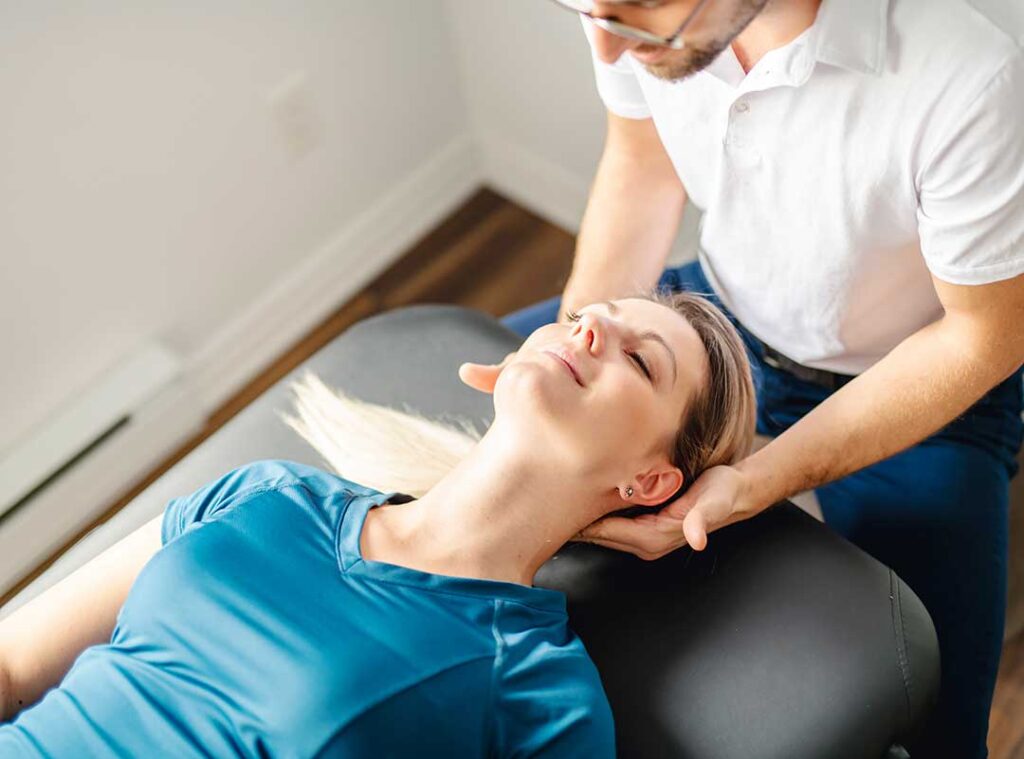
A chiropractic visit often starts with a brief history and physical evaluation focused on joint movement, posture, and flexibility. The practitioner may use their hands or specialized tools to deliver controlled adjustments to specific joints, especially in the spine or neck. The experience is usually quick and purposeful, sometimes accompanied by a low "pop" sound as the joint moves.
Massage therapy sessions tend to last longer—typically 30 to 90 minutes. The environment is often quiet, with dim lighting for relaxation. The therapist applies varying pressure with hands, forearms, or elbows on muscles and tissue along the back, shoulders, or other requested areas. Clients generally remain on a padded table beneath a sheet, with only the area being worked on exposed.
Are There Overlapping Benefits or Limitations?
Both disciplines aim to reduce discomfort, improve movement, and enhance daily well-being, especially for area residents managing active or physically demanding routines. However, each modality excels in different areas:
- Chiropractic care can directly address spinal issues that affect nerve function and joint movement.
- Massage therapy is more effective for muscle tightness, stress-induced aches, or general relaxation.

Neither approach replaces emergency medical care or ongoing treatment for serious conditions.
What About Credentials and Regulations?
Practitioners of both forms are subject to state licensure and regulation. Chiropractors in New York State must complete doctoral-level education and pass licensing exams. They are recognized as healthcare professionals regulated by state law. Massage therapists are also licensed in New York State and must complete approved training, pass exams, and adhere to professional standards.
Local residents can check practitioner credentials through New York State's Department of Education official database to ensure their provider meets all legal requirements.
How Do Local Lifestyles Influence Care Choices?
Community members often juggle commutes, home upkeep, and varied recreational activities, from running at local parks to shoveling snow in winter. These lifestyle patterns can shape the need for one service over the other:
- Long drives or computer work may lead to posture-related aches more suited to chiropractic adjustments.
- Yardwork, gardening, and recreational sports may cause muscular soreness and benefit from massage.
Seasonal shifts in weather—like increased snow shoveling or spring cleaning—can also influence whether muscles or joints are under more strain.
Can the Two Approaches Work Together?
It is common for residents to incorporate both methods at different times. For example, someone addressing a strain from home repair might benefit from chiropractic care for spinal alignment, followed by massage for lingering muscle tension. Local healthcare providers familiar with both disciplines may help guide residents on safe ways to combine them, especially if someone has active medical conditions or is recovering from an injury.
Common Misconceptions
Some believe both therapies offer the same results. In reality, they work on different tissues (joints/nerves vs. muscles/soft tissue) and use distinct methods. Neither is guaranteed to solve all types of pain or mobility concerns. Thoughtful evaluation and, if needed, a conversation with a regulated provider can help area households decide which option best fits a specific situation.
